Buy solpadol 30mg/500mg pl
£82.00 – £248.00Price range: £82.00 through £248.00
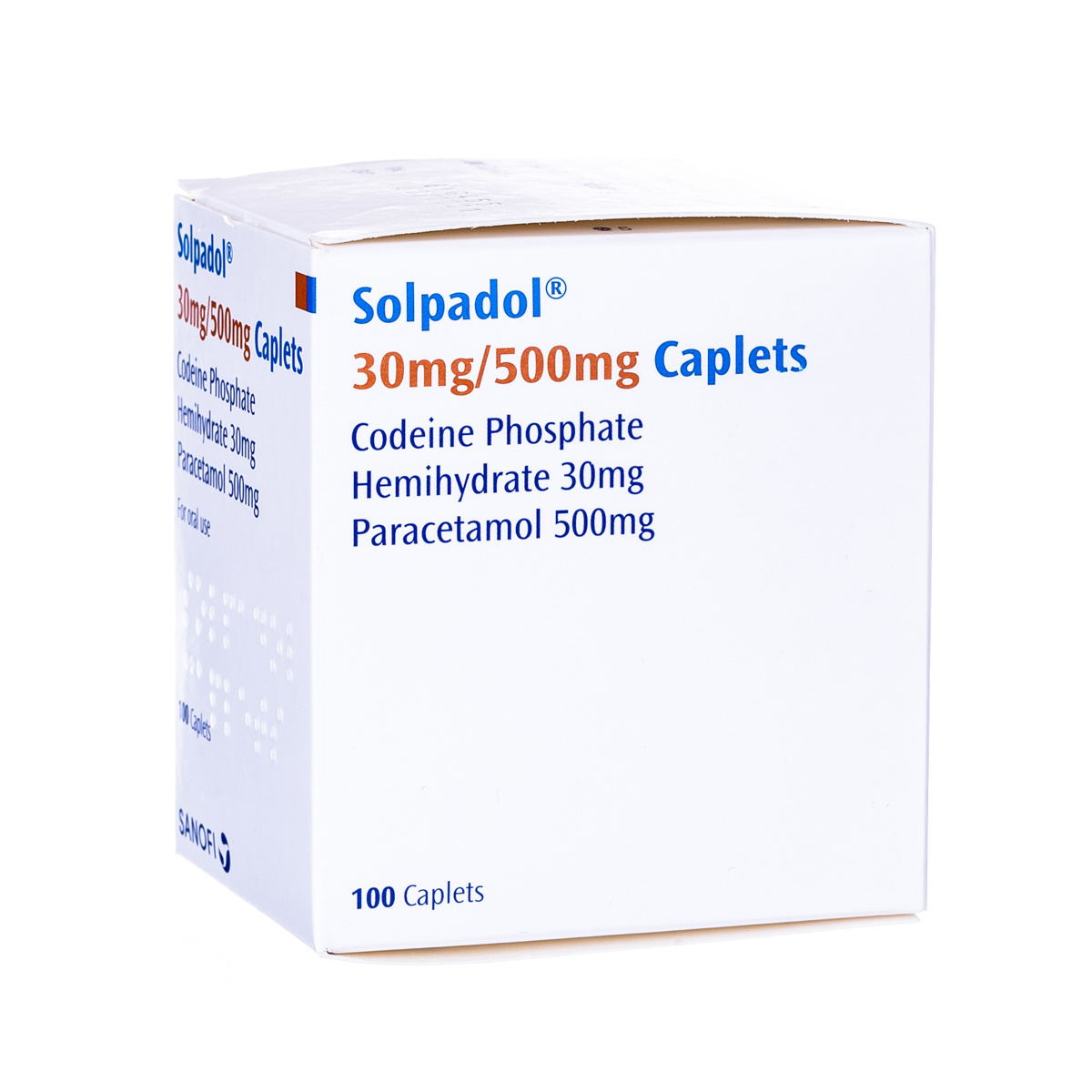
buy solpadol 30mg/500mg pl online uk is prescribed for the relief of moderate to severe pain that isn’t alleviated by others like paracetamol or ibuprofen
Buy solpadol online
buy solpadol 30mg/500mg pl online uk is prescribed for the relief of moderate to severe pain. According to the Patient Information Leaflet provided with the medication, it’s suitable for short-term use for moderate pain that isn’t alleviated by other painkillers like paracetamol or ibuprofen alone. Solpadol contains codeine, an opioid pain reliever, and paracetamol, another analgesic, working together to alleviate pain effectively.
Is Solpadol the same as co-codamol?
At solpadol.co.uk , we have previously dedicated an article to explaining whether or not Solpadol and co-codamol are the same medications. In short terms, Solpadol and co-codamol may seem similar, but they’re not exactly the same. Both medications contain two key ingredients, codeine and paracetamol. Solpadol, however, is the branded version, while co-codamol is the generic name for this combination. They’re both prescribed to alleviate various types of pain, such as chronic headaches, dental pain, severe menstrual cramps, muscle and joint pain, arthritis, and post-operative discomfort.
How do you use Solpadol?
buy Solpadol online should be used exactly as prescribed by your doctor or pharmacist. Typically, it’s taken by mouth with a full glass of water. You should follow the dosage instructions provided on the label or as directed by your healthcare professional. It’s important not to exceed the recommended dose or take it for longer than prescribed, as this can lead to unwanted side effects or dependency.
What is the active ingredient in Solpadol?
The active ingredients in Solpadol are paracetamol and codeine phosphate hemihydrate, according to the EMC. These components work together to provide relief from pain and discomfort. Paracetamol is a common pain reliever, while codeine phosphate hemihydrate is an opioid analgesic, enhancing the pain-relieving effects of paracetamol.What Solpadol is and what it is used for
The name of your medicine is Solpadol 30mg/500mg Caplets (called Solpadol throughout this
leaflet). This medicine has been prescribed for you for the relief of severe pain. Solpadol can be used
in children over 12 years of age for the short-term relief of moderate pain that is not relieved by
other painkillers such as paracetamol or ibuprofen alone. Solpadol contains codeine which belongs
to a class of medicines called opioids, which are ‘pain relievers’. It also contains paracetamol, another
analgesic to relieve pain. This medicine has been prescribed to you and should not be given to
anyone else. Opioids can cause addiction and you may get withdrawal symptoms if you stop taking it
suddenly. Your prescriber should have explained how long you will be taking it for and when it is
appropriate to stop, how to do this safely.
2. What you need to know before you take Solpadol
Important things you should know about Solpadol
Do not take for longer than your doctor tells you to.
Taking this medicine regularly, particularly for a long time can lead to addiction. Your prescriber
should have explained how long you will be taking it for and when it is appropriate to stop, how to
do this safely.
Rarely, increasing the dose of this medicine can make you more sensitive to pain. If this happens, you
need to speak to your prescriber about your treatment. Addiction can cause withdrawal symptoms when you stop taking this medicine. Withdrawal
symptoms can include restlessness, difficulty sleeping, irritability, agitation, anxiety, feeling your
heartbeat (palpitations), increased blood pressure, feeling or being sick, diarrhoea, loss of appetite,
shaking, shivering or sweating. Your prescriber will discuss with you how to gradually reduce your
dose before stopping the medicine. It is important that you do not stop taking the medicine suddenly
as you will be more likely to experience withdrawal symptoms.
Opioids should only be used by those they are prescribed for. Do not give your medicine to anyone
else. Taking higher doses or more frequent doses of opioid, may increase the risk of addiction.
Overuse and misuse can lead to overdose and/or death.
Taking a painkiller for headaches too often or for too long can make them worse.
Do not take Solpadol and tell your doctor if:
x You are allergic (hypersensitive) to codeine, paracetamol or any of the other ingredients in your
medicine (listed in Section 6). Signs of an allergic reaction include a rash and breathing problems.
There can also be swelling of the legs, arms, face, throat or tongue.
x You have severe asthma attacks or severe breathing problems.
x You have recently had a head injury.
x You have been told by your doctor that you have increased pressure in your head.
Signs of this include: headaches, being sick (vomiting) and blurred eyesight.
x You have recently had an operation on your liver, gallbladder or bile duct (biliary tract).
x You are taking medicine to treat depression called MAOls (monoamine oxidase inhibitors) or have
taken them in the last 2 weeks. MAOls are medicines such as moclobemide, phenelzine or
tranylcypromine (see ‘Other medicines and Solpadol’).
x You are an alcoholic.
x The person going to take the caplets is under 12 years of age.
x You are under 18 years of age and have had your tonsils or adenoids removed due to obstructivesleep apnoea syndrome.
x If you know that you metabolise very rapidly codeine into morphine.
x If you are breastfeeding.
Do not take Solpadol if any of the above apply to you. If you are not sure, talk to your doctor or
pharmacist before taking Solpadol.
Warnings and precautions
Check with your doctor beore taking Solpadol if:
– You are or have ever been addicted to opioids, alcohol, prescription medicines, or illegal
drugs.
– You have previously suffered from withdrawal symptoms such as agitation, anxiety, shaking
or sweating, when you have stopped taking alcohol or drugs.
– You feel you need to take more of Solpadol to get the same level of pain relief, this may
mean you are becoming tolerant to the effects of this medicine or are becoming addicted to
it. Speak to your prescriber who will discuss your treatment and may change your dose or
switch you to an alternative pain reliever.
– You have severe kidney or liver problems.
– You have problems passing water or prostate problems.
– You have a bowel problem such as colitis or Crohn’s disease or a blockage of your bowel.
– You are elderly.
– You are sensitive to aspirin or other medicines used for the treatment of inflammation.
(Non Steroidal Anti-inflammatory Drugs) such as Ibuprofen. Do not take more than the recommended dose.
• Do not take for longer than your doctor tells you to.
• Take this medicine by mouth.
• Swallow the caplets whole with a drink of water.
Adults: 2 caplets every 4 to 6 hours when necessary up to a maximum of 8 caplets in 24 hours.
Elderly people may be prescribed a lower dose.
Children aged 16 to 18 years: 1-2 caplets every 6 hours when necessary up to a maximum of 8
caplets in 24 hours.
Children aged 12 to 15 years: 1 caplet every 6 hours when necessary up to a maximum of 4 caplets
in 24 hours.
This medicine should not be taken for more than 3 days. If pain does not improve after 3 days, talk to
your doctor for advice
Children under 12 years: Solpadol should not be given to children below the age of 12 years, due to
the risk of severe breathing problems.
If you take more Solpadol than you should
• Tell your doctor or go to your nearest hospital casualty department straight away- even if you
feel well. This is because of the risk of delayed, serious liver damage.
• Remember to take any remaining caplets and the pack with you. This is so the doctor knows
what you have taken.
If you have forgotten to take Solpadol
If you forget to take a dose at the right time, take it as soon as you remember. However, if it is almost
time for your next dose, skip the missed dose. Do not take two doses at or near the same time.
Remember to leave at least 4 hours between doses. If you stop taking Solpadol
Do not suddenly stop taking this medicine. If you want to stop taking this medicine, discuss this with
your prescriber first. They will tell you how to do this, usually by reducing the dose gradually so that
any unpleasant withdrawal effects are kept to a minimum. Withdrawal symptoms such as
restlessness, difficultly sleeping, irritability, agitation, anxiety, feeling your heartbeat (palpitations),
increased blood pressure, feeling or being sick, diarrhoea, shaking, shivering or sweating may occur if
you suddenly stop taking this medicine.
4. Possible side effects
Like all medicines, this medicine can cause side effects, although not everybody gets them.
Important side effects you should know about Solpadol
• Taking a painkiller for headaches too often or for too long can make them worse.
• Unknown frequency: dependence and addiction (see section “How do I know if I am
addicted?”)
Stop taking Solpadol and see a doctor or go to a hospital straight away if:
• You have difficulty in breathing or you feel dizzy.
• You get swelling of the hands, feet, ankles, face, lips or throat which may cause difficulty in
swallowing or breathing. You could also notice an itchy, lumpy rash (hives) or nettle rash (urticaria).
This may mean you are having an allergic reaction.
• You get serious skin reactions. Very rare cases have been reported.
• Severe stomach pain, which may reach through to your back. This could be a sign of
inflammation of the pancreas (pancreatitis). This is very rare side effect.Other side effects have been reported:
Codeine-related side effects:
Frequency and severity are determined by dosage, duration of treatment and individual sensitivity:
• Constipation.
• Feeling sick (nausea), being sick (vomiting).
• Dizziness, light-headedness, drowsiness, confusion.
• Difficulty in passing water (urine).
• Becoming dependent on codeine.
Paracetamol-related side effects:
Very Rare (may affect up to 1 in 10,000 people):
• You get infections or bruise more easily than usual. This could be because of a blood problem
(such as neutropenia or thrombocytopenia)
Frequency not known:
• Difficulty breathing, wheezing, tightness in the chest (bronchospasm).
• Low blood pressure (hypotension) with high doses.
• You get infections more easily than usual. This could be because of a blood problem called
agranulocytosis.
Buy Solpadol
Drug withdrawal
When you stop taking Solpadol, you may experience drug withdrawal symptoms, which include
restlessness, difficulty sleeping, irritability, agitation, anxiety, feeling your heartbeat (palpitations),
increased blood pressure, feeling or being sick, diarrhoea, shaking, shivering or sweating.How do I know if I am addicted?
If you notice any of the following signs whilst taking Solpadol, it could be a sign that you have
become addicted.
• You need to take the medicine for longer than advised by your prescriber.
• You feel you need to use more than the recommended dose.
• You are using the medicine for reasons other than prescribed.
• When you stop taking the medicine you feel unwell, and you feel better once taking the
medicine again.
If you notice any of these signs, it is important you talk to your prescriber.
Reporting of side effects
If you get any side effects, talk to your doctor, pharmacist or nurse. This includes any possible side
effects not listed in this leaflet. You can also report side effects directly via the Yellow Card Scheme
at: www.mhra.gov.uk/yellowcard or search for MHRA Yellow card in the Google Play or Apple App
Store. By reporting side effects you can help provide more information on the safety of this medicine.
5. How to store Solpadol
Keep this medicine in a safe place out of the sight and reach of children. Do not use this medicine
after the expiry date shown on the pack. Store your medicine in the original packaging in order to
protect from moisture. Do not store above 25°C. Do not throw away any medicines via wastewater or
household waste. Ask your pharmacist how to throw away medicines you no longer use. These
measures will help protect the environment.
6. Contents of the pack and other information
What Solpadol 30mg/500mg Caplets contain
• The active substances of Solpadol 30mg/500mg Caplets are codeine phosphate and
paracetamol. Each caplet contains 30mg of codeine phosphate and 500mg of paracetamol.
Solpadol is the brand name of an analgesic drug that contains paracetamol/acetaminophen in conjunction with codeine. Combining these two commonly prescribed painkillers into one substance results in a very effective painkiller. The highly effective pairing is why Solpadol is sometimes found to be used inappropriately or by those with substance problems.
Paracetamol/acetaminophen by itself is hardly your typically abused substance. It is a painkiller, but it is often in its own category, and due to this, it can often be purchased over-the-counter in many jurisdictions. Since it is in a category of medication that is different from most other drugs, it can be taken in combination with several different substances without significant interaction worries.
Solpadol is only available with a doctor or health care provider prescription. This means it will ultimately be their decision as to the appropriateness of the treatment in the context of the illness or condition that the individual may be suffering. Often Solpadol is prescribed to treat chronic or recurring pain, frequently from injury or damage. This pain is considered to be untreatable by other treatments or where other treatments may be too strong.
Common conditions or situations where Solpadol may be prescribed could include chronic pain sufferers, like those who may have had Crohn’s disease flare-up or have other intestinal issues. In scenarios like this, where portions of intestinal tissue may have been surgically removed, it is common for Solpadol to be prescribed to help them deal with the consistent pain in their stomach.
The same can occur with individuals that are living with fibromyalgia or phantom limb pain as well. The pain is frequently chronic and untreatable with other courses of treatment. With phantom limb pain, the severed limb triggers a pain response in the brain, while with fibromyalgia, the pain occurs in a general sense all over the body. Both contribute to the abuse of opioids if they are prescribed during the recovery for more than a couple of days at a time.
Solpadol Side Effects
Solpadol may have a number of side effects related to either of the active compounds that are in it. When being abused, adverse health effects may be seen from either the paracetamol or from the codeine depending on how it is being abused and the dosages involved.
Solpadol is contraindicated for use where the individual may display hypersensitivity to codeine, paracetamol, or any of the other constituents. It also should not be used in any situation where morphine or other similar opioids are contraindicated.
Common side effects that those taking Solpadol may experience can include any of those that can be encountered while on codeine and may vary in intensity based on the dosages and frequency involved in the abuse. Some side effects of codeine abuse include a slurred speech pattern, excessive drowsiness, incredibly short attention spans, lack of focus, impaired judgment, dilated pupils, diminished coordination, and apathetic displays of behavior.
Withdrawal Symptoms & Timeline of Solpadol
When an individual stops taking Solpadol, there will generally be some immediate discomfort when the first withdrawal symptoms start within hours of the last dose of codeine. One of the first symptoms that the recovering individual may experience is general achiness and joint pain. There are also consistent reports of individuals in recovery developing depression during withdrawal. The extent and severity of these will often depend highly on the medical history and the specifics of the addiction.
Being addicted to Solpadol isn’t usually a life-threatening issue, which can lead some people to try and quit cold turkey on their own, leading to potentially deadly complications or even a relapse.
In most cases, the user will go through a withdrawal process similar to an opioid drug withdrawal syndrome, which can manifest any of the following signals. These include watering eyes, runny nose, excessive yawning, restlessness, uncontrollable perspiration, chills, heartbeat irregularity, and elevated blood pressure. There may also be the development of irritability, increased respiration, sleep disturbance, anxiety, tremors, weakness, abdominal cramps, nausea and vomiting, and diarrhea.
The acute withdrawal phase will often last between 1 and 2 weeks, with the severity of the side effects reaching their peak about 2-4 days into the detox process. The post-acute withdrawal stage can last for months and even years after the abuse, while the behavior is unlearned and the brain chemistry begins correcting itself.
How to Get Help if Addicted to Solpadol
Suppose you or someone you care about has been prescribed Solpadol and may be having trouble with the drug after having built a dependency on it. In that case, it might be time to work with some experienced addiction professionals. By working with substance counselors, a treatment plan can be created with the success of the recovering individual as its primary goal. Not only can a plan be tailored to the patient with inpatient services, but they will be able to detox in a safe and monitored environment medically. Safe and supervised while prescription drugs speed along the detox process, the individual is free to work with counselors on how to avoid situations that trigger cravings and can build a solid recovery.
| Quantity | 100 Caplets, 200 Caplets, 300 Caplets, 400 Caplets, 500 Caplets |
|---|
Reviews
There are no reviews yet.